
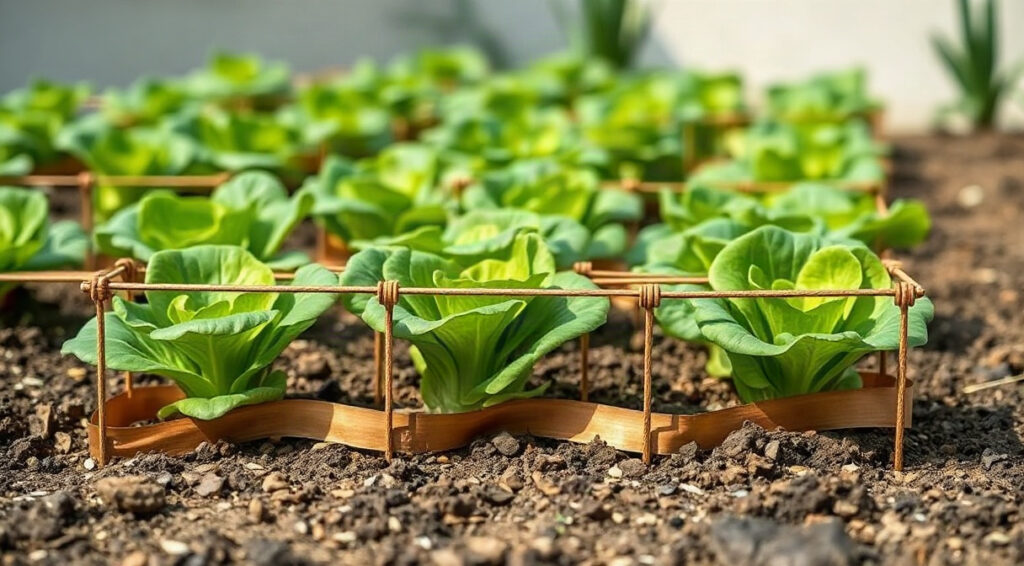
Organic slug control methods work best when they combine several small, consistent steps rather than relying on a single quick fix. Slugs and snails are most troublesome in cool, damp conditions, especially when tender seedlings are easy to reach and daytime hiding places are close by.
This guide covers physical barriers, predator-friendly gardening, and organic treatments that can reduce damage without poisoning wildlife or disrupting the garden’s wider ecosystem. It also explains beer trap alternatives, how to identify the source of damage, and how to adjust your approach as the season changes.
1. Understand Slug Pressure Before Choosing Organic Slug Control Methods
Before adding barriers or treatments, find out when and where the damage is happening. Slugs and snails feed most actively at night and during mild, wet weather. Look for irregular holes in leaves, scraped or silvery trails, and missing seedlings. Check again at dawn or after rain, when pests are easier to spot. Caterpillars and other insects can also make holes, so look for slugs nearby before deciding what to do.
Inspect likely hiding places during the day: beneath pots, boards, dense groundcover, fallen leaves, and the rims of damp containers. A torch and a short evening check can reveal whether damage is concentrated around one bed or spread throughout the garden. This helps you target effort instead of treating every planting area unnecessarily.
Seedlings and soft-leaved plants are particularly vulnerable. Lettuce, hosta, basil, young beans, and newly planted delphiniums may be damaged before they establish. Mature plants often tolerate some nibbling. Set priorities around plants that are both vulnerable and important to your garden, rather than aiming for a completely slug-free space.
Use a simple monitoring routine
For one week, note the weather, the affected plants, and the places where you find slugs or snails. Check after dusk with a flashlight for five to ten minutes, especially after rain or watering. Mark the affected spots on a quick garden sketch. Repeated activity near one damp corner may call for better drainage or fewer hiding places; widespread feeding may call for temporary protection around seedlings.
These observations make organic slug control methods more precise. They also help distinguish a temporary flush of activity from a persistent problem. If you see only occasional leaf damage on established plants, monitoring and hand removal may be enough. If seedlings disappear overnight, add a barrier immediately while you address the nearby shelter and moisture conditions.
Make the garden less inviting, not less alive
Slugs need moisture and shelter, but a wildlife-friendly garden should not be stripped bare. Instead, keep the immediate area around vulnerable crops tidy. Remove rotting leaves and boards beside seedlings, space plants for airflow, and avoid leaving pots sitting in water. Water in the morning when practical, so the soil surface is less damp overnight.
Keep leaf litter and habitat features in other parts of the garden where they support beneficial wildlife. A deliberate balance is better than clearing every hiding place. For example, retain a log pile away from a vegetable bed, and keep a narrow, tidy strip around a prized hosta or lettuce row. To create habitat for a helpful nighttime predator, see these hedgehog-friendly garden features.
Start with the methods that match your findings, then reassess after a week. A physical barrier may protect one bed while predator habitat and sensible watering reduce pressure elsewhere. Avoid applying several new measures at once: changing one or two things at a time makes it easier to tell what is working.
2. Build Practical Barriers Around Vulnerable Plants
Barriers can protect seedlings without harming the animals that encounter them. They are most useful around compact, high-value plantings, such as a tray of lettuce, a small raised bed, or a newly planted hosta. Make sure the barrier surrounds the whole vulnerable area and reaches the soil securely. A gap at ground level can undo an otherwise careful installation.
Copper tape and raised rims
Copper tape is often used around pots and planters. Apply a continuous band to a clean, dry outer surface, without gaps where leaves, stems, or nearby structures can provide a bridge. Check the tape regularly for dirt, plant debris, or contact with the ground. Its performance can vary with conditions, so treat it as one layer of protection rather than a guaranteed solution.
For a bed, a raised rim or smooth collar can make access harder. Fit collars around individual seedlings or groups, push the lower edge firmly into the soil, and leave enough height to prevent easy access from the ground. Inspect after heavy rain, when soil may wash against the rim and create a ramp. Do not make a collar so narrow that it traps a slug inside with the plant.
Choose barriers with realistic expectations
Dry, coarse materials such as horticultural grit or crushed shells are sometimes used as a surface barrier. Their performance can decline quickly when they become wet, compacted, or mixed with soil. They may also be uncomfortable to walk on or unsuitable for some beds. If you test one, apply it as a thin, continuous band and observe it after rain instead of assuming it will remain effective.
Wool-based pellets or mats can offer another physical obstacle while helping retain moisture around plant roots. Follow the product directions, keep the material away from tender stems if it stays damp, and check that it does not create a sheltered route. Results vary by product and site, so trial it on a small area first.
For barriers to work, remove leaves that drape over their edges and keep neighboring plants from touching protected crops. A slug can bypass a ring by climbing from a leaf, pot, or wall. This is a common reason gardeners conclude that a material failed when the real issue is an unbroken route into the bed.
Protect containers, trays, and new plantings
Raise pots on feet or a bench to make inspection easier and reduce contact with damp ground. Check underneath the pot and around drainage holes, where slugs may shelter. When setting out young plants in spring, use a temporary collar and inspect it every few days until the plants are larger and less vulnerable.
Use this quick barrier checklist:
- Clear plant debris from the barrier line before installation.
- Make the boundary continuous, with no gaps or leaf bridges.
- Check the soil and barrier after rain or watering.
- Remove slugs trapped within a collar rather than sealing them in.
- Replace or clean materials when they become dirty or damaged.
Among useful organic slug control methods, barriers are a strong first choice because they can protect specific plants without baiting wildlife. Match the material to the site, then check it often. If the protected bed still suffers damage, look for a hidden entry route and add monitoring or hand removal rather than simply piling on more material.
3. Encourage Predators and Use Beer Trap Alternatives
Predators can contribute to a healthy garden balance, but they are not an instant solution. Ground beetles, birds, frogs, toads, and hedgehogs may eat slugs or their eggs as part of a varied diet. Their presence depends on local conditions, shelter, and access to water. Make the garden welcoming to wildlife, then protect especially vulnerable plants while natural controls do their work.
Provide useful habitat without inviting crop damage
Keep a shallow, stable water source available for birds and other wildlife, and provide safe routes through the garden. A log pile or leaf-litter refuge can support invertebrates and amphibians, while a pond with gently sloping access may serve frogs and toads. Place these features away from the most vulnerable seedling beds where possible. Avoid creating a permanently wet, cluttered strip right beside crops.
Hedgehogs need connected routes between gardens, safe nesting shelter, and access to natural food. Avoid netting at ground level, uncovered drains, and chemicals that can harm animals. A hedgehog is not a guaranteed slug remedy, and feeding one does not replace habitat. For practical, wildlife-conscious ideas, read about features that help attract hedgehogs.
Birds and beetles also benefit from a garden with varied planting and fewer broad-spectrum pesticides. Add flowering plants to support pollinators and other beneficial insects; the guide to bee-friendly plants for a lively garden offers ideas for nectar-rich choices. Keep the immediate crop area accessible for inspection, and avoid spraying anything that could expose non-target wildlife.
Choose beer trap alternatives
Beer traps attract slugs, but they require frequent emptying, can attract more slugs into the area, and may catch non-target creatures. For a wildlife-friendly garden, alternatives are often easier to manage:
- Night checks: collect slugs by hand after dusk or at dawn, then relocate or dispose of them according to local guidance.
- Temporary shelter traps: place a damp board or upturned citrus peel near a problem area, inspect it each morning, and remove any slugs you find.
- Targeted barriers: use copper tape, collars, or other site-appropriate barriers around the plants most at risk.
- Routine monitoring: check vulnerable beds after rain and remove hiding places immediately beside seedlings.
These beer trap alternatives are most effective when used consistently. A board left untouched for days becomes a refuge rather than a useful monitoring tool. Lift it in the morning, remove any pests, and move or clean it if it becomes a permanent hiding place.
Hand collection is simple but should be done thoughtfully. Wear gloves if preferred, avoid crushing wildlife that may be sheltering beneath a pot, and check the area before moving objects. Relocation rules and recommendations can differ by region, so follow local guidance rather than releasing pests into a natural area or another person’s garden.
Predator support is one of the gentler organic slug control methods, but it works best alongside crop protection. Do not expect birds or hedgehogs to clear a bed overnight. Keep refuges available, reduce direct access to vulnerable seedlings, and use regular checks to respond to actual pressure.
4. Use Organic Treatments Carefully and Avoid Harmful Shortcuts
Organic treatments can help when prevention and hand removal are not enough, but “organic” does not automatically mean harmless. Read the label, confirm that the treatment is approved for your location and intended use, and check its effects on pets and non-target wildlife. Avoid homemade mixtures whose strength and safety are unknown, especially sprays that may injure leaves or beneficial insects.
Consider biological nematodes where suitable
Some products contain microscopic nematodes used to target slugs in soil. They are living organisms, not a broad-spectrum poison, but they are not suitable for every site or every slug species. Availability, approved uses, and instructions vary by country. Check the label for the crop, application method, soil temperature, and watering requirements before buying or applying a product.
These treatments generally need moist soil and correct timing to work as directed. Apply during the recommended season, water the soil as instructed, and avoid applying during extremes of heat, cold, or drought. Do not assume that a second application is automatically needed; follow the manufacturer’s directions and compare damage before and after treatment.
A biological treatment is not a substitute for clearing access routes or protecting small seedlings. It may take time to affect pest pressure, and results depend on conditions. If you use it, record the date and weather, then inspect the same plants regularly. Combine it with barriers and hand checks so the most vulnerable plants are protected while you evaluate the result.
Be cautious with pellets and home remedies
Iron phosphate pellets are permitted for some organic gardening systems in some regions, but they are still a treatment, not a chemical-free barrier. Their permitted status and wildlife precautions can differ. Because this guide focuses on wildlife-friendly, non-poison approaches, use hand removal, barriers, and habitat management first. If considering any pellet product, follow its label exactly and check local rules and current wildlife guidance.
Salt can damage soil and plants, while strong soap, vinegar, and concentrated garlic mixtures may scorch leaves or harm insects. Coffee grounds are not a dependable slug barrier, and sharp materials can create risks for pets or wildlife. These common shortcuts may appear easy, but they often create new problems without reliably stopping feeding.
For sustainable garden care beyond slug management, build soil with suitable compost and use it in a way that fits the site; the advice in the according to RHS Composting Guide can help you choose a responsible composting approach. Composting does not control slugs by itself, but healthy soil and thoughtful garden routines support resilient planting.
For an independent reference on slug and snail identification and management, consult the University of California Integrated Pest Management guide. Use any recommendations in the context of local regulations and your own garden conditions. Labels and approved uses can change, so rely on current product instructions rather than an old online recipe.
The safest treatment plan is selective. Treat only the affected area, protect non-target animals, and avoid combining products without a clear reason. If a product requires repeated use, reassess whether better barriers or a change in watering and shelter would provide a more lasting result.
5. Build a Seasonal Plan That Protects Plants and Wildlife
Reliable organic slug control methods are a routine, not a one-time task. The timing depends on your climate, but spring and autumn often bring favorable conditions for slug activity. In early spring, inspect beds before sowing and set out barriers as seedlings emerge. In autumn, remove damaged plant debris and check where damp shelter is accumulating around crops.
Adapt care to the season
In late winter or early spring, inspect pots, cold frames, and raised beds before planting. Clean out old leaves and check that drainage holes are clear. When sowing lettuce or other vulnerable crops, consider raising seedlings in trays until they are large enough to withstand minor nibbling. Harden them off gradually, then plant them behind a collar or barrier.
During wet spring weeks, check beds after rain and water in the morning when possible. Use a temporary board to monitor activity, but lift it daily. In summer, avoid overwatering and thin crowded growth to improve airflow. If drought is followed by rain, check for a sudden increase in feeding around tender new growth.
In autumn, remove rotting foliage from beside prized plants, but retain habitat elsewhere. Look beneath pots before moving them, and tidy the edges of vegetable beds without clearing every wildlife refuge from the garden. If you are redesigning a difficult, sloping plot, these terrace ideas for a sloped garden can help create manageable planting areas with easier access for inspection.
Use a short integrated routine
Follow this sequence when damage appears:
- Confirm the pest: check for slugs, snails, trails, and fresh feeding after dusk or rain.
- Protect the crop: fit a continuous collar or barrier around seedlings and remove leaf bridges.
- Reduce nearby shelter: clear damp debris directly beside the affected plants while retaining habitat elsewhere.
- Check and collect: inspect at dawn for several days and remove pests or lift temporary shelter traps.
- Review the result: note whether new damage declines, then adjust the method rather than repeating an ineffective step.
Keep a simple record with the plant, location, weather, and action taken. This small habit can show that damage follows a particular watering pattern or is limited to one corner. It also prevents unnecessary repeat treatments and helps you compare one season with the next.
One common mistake is waiting until a plant is badly damaged before protecting it. Slugs can remove a small seedling overnight, so install barriers when you plant, not after the first loss. Another is relying on a single material without checking for gaps. A continuous, inspected barrier combined with a brief night check is often more useful than an elaborate system left unattended.
Success does not mean eliminating every slug or snail. Some feeding is part of a functioning garden ecosystem. Aim to keep valuable crops growing, protect new plants during their most vulnerable stage, and leave enough habitat for wildlife. If one method stops working, revisit the conditions: a wet barrier, overhanging leaf, hidden pot, or newly sheltered corner may explain the change.
For most gardens, the most dependable organic slug control methods are the practical ones you can maintain: careful monitoring, targeted barriers, predator-friendly habitat, and selective organic treatments only when justified. Review results weekly during periods of high activity, then reduce interventions as plants mature.
Frequently Asked Questions
What are the best organic slug control methods for seedlings?
Start with a continuous collar or barrier, morning watering, and short checks at dawn or after rain. Remove hiding places immediately beside the seedlings, and use hand collection if you find slugs. Protect seedlings as soon as they are planted rather than waiting for damage.
Are beer trap alternatives better for wildlife-friendly gardens?
They can be easier to manage. Night checks, daily-inspected shelter boards, and targeted barriers avoid the need for a liquid bait that may attract slugs or catch non-target animals. Lift and check any temporary shelter every morning.
Do copper barriers always stop slugs?
No. Copper tape may help in some situations, but performance varies. A gap, dirty surface, leaf bridge, or plant touching the ground can let slugs bypass it. Keep the band continuous and inspect the route into the protected area.
Can hedgehogs solve a slug problem?
Hedgehogs may eat slugs, but they are generalist foragers and cannot be relied on to clear a garden. Provide safe routes and suitable habitat, avoid harmful pesticides, and protect vulnerable plants with barriers while supporting wildlife.
Are iron phosphate pellets chemical-free?
No. Iron phosphate is a treatment, even where certain products are accepted for organic gardening. Approved uses and precautions vary by location. If your priority is a non-poison approach, begin with barriers, monitoring, hand removal, and habitat management.
When should I check for slugs and snails?
Check at dusk, early morning, or after rain, when conditions are cool and damp. A brief, regular inspection is more useful than waiting for severe damage. Pay particular attention to newly planted seedlings and damp shelter spots.
Conclusion: Protect Plants Without Losing the Wildlife
Combine observation with barriers, careful watering, predator-friendly habitat, and selective organic treatments to protect plants while leaving room for wildlife. Begin with the plants most at risk, check your results, and adjust the plan to your garden’s conditions. For more practical planting and garden-design advice, explore Blossom Gardens Hub.
