
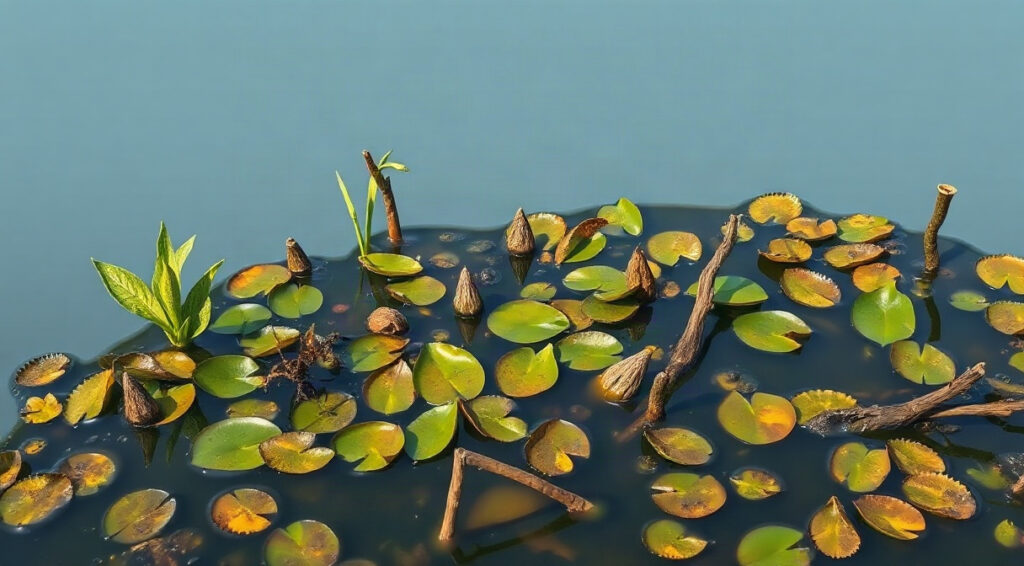
wildlife pond ideas small garden can turn even a modest outdoor space into a valuable source of water and shelter for wildlife. A pond does not need a fountain, fish or a large footprint: a shallow margin, varied depths and plants suited to your region can provide useful habitat for insects, frogs and visiting birds.
This practical guide covers siting, construction, native planting and natural filtration, with steps you can adapt to a small courtyard or suburban plot. Plan for easy access and safe escape routes as well as an attractive view, and your pond can become a lively feature through the seasons.
wildlife pond ideas small garden: Choose a Safe, Sunny Site
The best location balances sunlight, shelter and access. Aim for a spot that receives around four to six hours of sun a day; many aquatic plants flower better in sun, and warmth supports insect activity. Some light afternoon shade can help limit overheating in a very small pond. Avoid placing the pond directly under trees, where falling leaves add nutrients and roots may complicate excavation.
Look at the site after rain before choosing its final position. Avoid a natural low point that receives runoff from lawns, paths or vegetable beds. Fertiliser, soil and pesticide residues can wash into the water and encourage algae. Also check underground services before digging, and choose a position where you can see the pond from the house without making it a shortcut through a busy play area.
For a small garden, a pond around 1.2 to 2 metres across can provide useful habitat, but any size can help when the design includes shallow margins. A simple oval or irregular outline often looks more natural than a perfect circle. Mark the proposed shape with a hose or sand, then view it from several angles. Leave a clear working margin around the edge for planting, maintenance and safe access.
Think about practical use as well as appearance. Keep the pond close enough to a water source to top it up during a dry spell, but do not route a hose so it becomes a trip hazard. If you are arranging a compact patio and water feature together, these courtyard garden design ideas can help you plan circulation and planting around the pond.
- Choose a bright position: Aim for several hours of daily sun, while avoiding a hot, enclosed corner.
- Protect the water: Keep fertilised beds and treated lawns uphill or well away from likely runoff.
- Plan a viewing point: A bench or nearby path lets you watch wildlife without standing on the pond edge.
- Check safety: Consider children, pets and local requirements; use a secure barrier where appropriate.
A pond should be a deliberate garden feature rather than a decorative container with steep sides. Steep, smooth walls can trap small animals, while a shaded, leaf-choked basin may struggle to support aquatic life. Include an exit route and gently sloping margins in the plan from the start. Those details are easier to build now than to retrofit after the liner is in place.
Build the Basin With Varied Depths and Escape Routes
Reliable construction begins with a shape that offers more than one water depth. A shallow beach or ledge gives birds a place to drink and bathe, while amphibians and aquatic insects benefit from submerged cover. In a small pond, create a shallow margin about 10 to 20 centimetres deep, a middle shelf around 25 to 35 centimetres, and a central area roughly 45 to 60 centimetres deep where space and local conditions allow.
Use a flexible pond liner over a protective underlay, or choose a preformed basin only if its moulded shelves include a genuinely shallow entry and exit. Remove sharp stones and roots before laying the underlay. A stable, level rim helps the water sit at a consistent height; take time to level it before filling, because a low edge can cause water to escape over one side.
For a liner, dig the hole wider than the planned water area to accommodate the shelves and edge finish. Make ledges broad enough to hold planting baskets securely, rather than narrow steps that collapse under their weight. Keep the sides gently graded wherever possible. If one side must be steep, add a stable ramp of rough stones or a sloping piece of untreated timber so wildlife can climb out.
- Mark the outline and remove turf, roots and debris.
- Excavate the deepest area first, then shape broad shelves and a shallow beach.
- Check that the rim is level with a long straightedge and spirit level.
- Fit protective underlay, followed by the liner, smoothing out folds as you add water.
- Fill slowly and settle the liner into the shelves without pulling it tight.
- Cover the liner edge with turf, flat stones or gravel, keeping all materials secure.
Use collected rainwater when practical, or fill from a mains supply and allow the water to settle before adding plants. Avoid using soil from a fertilised border as a pond substrate. It releases nutrients that can feed blanket weed and green water. Instead, use washed gravel or aquatic planting baskets with a low-nutrient aquatic compost, covered by a thin layer of washed gravel to stop the compost escaping.
Before filling, consider how a small animal could leave from every side. A rough-textured ramp is safer than a loose stack of stones, which may shift. Check that any mesh, netting or edging does not form a barrier across the waterline. A wildlife pond is most useful when creatures can approach, drink, shelter and move away safely.
Avoid adding fish to a small wildlife pond. Fish eat eggs and larvae, increase waste and can reduce the numbers of aquatic insects and amphibians that the pond is intended to support. A pump is not essential either: a thoughtfully planted pond can filter water naturally, and still water provides habitat for many species. Resist the temptation to add a fountain simply to make the pond look active.
If your ground slopes, level the pond footprint before building rather than trying to compensate with extra liner at one end. This guide to levelling a garden for a stable base explains how to assess uneven ground before you dig.
Choose Native Pond Plants for Every Water Zone
Plants are more than decoration: they provide egg-laying sites, shelter, shade and surfaces where small organisms can live. Choose species suited to your region and pond size, and check that a plant is genuinely native before buying it. A varied selection of native pond plants uk growers offer can fill different zones without letting one vigorous species take over. Buy from a reputable aquatic nursery, since plants taken from the wild may damage natural habitats or bring unwanted species into your garden.
Start with a small number of plants rather than filling every shelf. In a compact pond, two or three marginal plants, one or two submerged oxygenators and a modest floating-leaf plant can be enough to begin. Leave open water for wildlife to move through and for birds to see the surface. As the planting establishes, add more only if a zone remains bare.
- Shallow margins: Water forget-me-not (Myosotis scorpioides) and marsh marigold (Caltha palustris) suit damp shelves and provide flowers for insects.
- Marginal shelves: Lesser spearwort (Ranunculus flammula) offers a smaller, manageable option for moist edges.
- Submerged cover: Hornwort (Ceratophyllum demersum) grows beneath the surface and gives aquatic animals places to shelter.
- Floating leaves: A restrained planting of native white water-lily (Nymphaea alba) can shade water, but it needs enough depth and room.
Always check the mature spread and depth requirements on the plant label. Water-lilies can overwhelm a tiny basin, and some vigorous oxygenators quickly occupy more space than expected. Keep reedmace and other large spreaders out of very small ponds unless you can reliably contain and manage them. A named plant is not automatically a good choice if its mature size exceeds the available shelf.
Plant in spring, commonly from April to June, once the water is no longer very cold and new growth can establish. Set marginal plants in baskets on shelves so their crowns sit at the depth recommended for that species. Rinse nursery pots and remove excess growing medium before planting. Use aquatic compost where needed, then cap it with washed gravel to keep the water clear.
Planting also helps build a dragonfly habitat garden. Dragonfly larvae develop underwater, so submerged stems and clean, fish-free water matter as much as flowers around the edge. Emergent stems give adult dragonflies a place to perch and can provide sites for egg-laying. Leave some stems standing through winter rather than cutting every plant to the waterline in autumn.
Flowers around the pond extend the food supply for adult insects. Add nearby nectar plants such as native knapweed or wild marjoram, if suitable for your soil and region, while keeping them far enough from the edge to avoid constant leaf drop. You can combine pond planting with a broader pollinator border using these bee-friendly garden plants. Avoid allowing one tall plant to shade the entire water surface.
Use Natural Filtration Instead of a Permanent Pump
Natural filtration relies on a balanced combination of plants, low nutrient input and time. Submerged plants take up nutrients, while gravel and plant roots provide surfaces for helpful microorganisms. This does not mean the water will always look like a swimming pool. A wildlife pond can be healthy while holding a little natural sediment, seasonal pollen or algae. The aim is a stable habitat, not sterile water.
Design the pond to avoid nutrient overload. Do not add fertiliser, garden soil, fish food or decorative soil balls. Keep leaves out by skimming them regularly, especially in autumn. A small amount of leaf litter is normal, but a thick layer breaks down into nutrient-rich sludge and can reduce oxygen in the water. If nearby trees are unavoidable, use a loose seasonal net and remove it before animals become entangled.
Choose a planting mix that leaves room for water circulation. As a starting point, aim to cover roughly one-third to one-half of the surface with leaves and vegetation once the pond matures, while leaving open areas. Plant coverage varies with pond depth, sunlight and species, so treat this as a guide rather than a strict rule. If plants spread over nearly all the water, thin them gradually rather than removing a large amount at once.
Expect newly filled water to change as the pond settles. A brief bloom of green water or fine algae can occur while the ecosystem develops, particularly in spring. Do not respond by adding algaecide, bleach or a chemical clarifier. These products may harm invertebrates and amphibians, and they do not fix the underlying cause if excess nutrients remain. Remove only the worst excess growth by hand, and leave some material at the edge so small animals can return to the water.
Composting pulled pond weeds can return nutrients to garden soil instead of leaving them beside the water. Let material drain on the edge for a short period so hidden invertebrates can crawl back, then add suitable plant waste to a compost pile, according to RHS Composting Guide. Do not compost invasive aquatic plants; follow local disposal guidance for those species.
During a dry spell, top up gradually with rainwater when available. Sudden large changes in water level or temperature can stress pond life. If you must use tap water, add it slowly and avoid repeated large top-ups. Do not drain and refill the pond simply because the water looks cloudy; settling, plant growth and careful removal of excess debris are usually safer than a full reset.
Natural filtration needs observation rather than complicated equipment. Once a month during the growing season, look for blocked inlets, wilting plants, unusual smells and surface growth. If the pond smells foul, remove rotting material in small stages and check that leaves or compost have not accumulated. Avoid stripping out all vegetation at once, as sudden habitat changes can remove shelter and expose wildlife to predators.
Make a Dragonfly Habitat Garden With Year-Round Care
A pond can attract wildlife quickly, but a reliable dragonfly habitat garden needs a mix of water, plants and quiet edges. Dragonflies use emergent stems as perches, while their aquatic young need submerged cover and a pond free from fish. Frogs and newts benefit from shallow routes in and out, and birds need a safe place to drink. Keep the pond approachable but avoid constant disturbance at the waterline.
Provide a rough, shallow entry on at least one side. A gently sloping gravel beach, securely placed flat stones or a planted shelf can help small animals reach the water. Birds may use a shallow ledge for bathing, but make sure it is stable and not slippery. Do not rely on a sheer-sided bucket or decorative pot as a substitute for a pond with accessible edges.
Surrounding habitat matters. Keep a few leafy plants or low ground cover close to the pond so amphibians can shelter, but leave enough open space to see the water and remove debris. A small patch of undisturbed leaves, logs or stones nearby can add hiding places. Do not seal every gap with paving or gravel; connected cover gives animals options when they leave the pond.
Use a gentle maintenance rhythm instead of a dramatic annual clean. In spring, check liner edges and remove litter by hand. During summer, top up gradually if the level drops and thin fast-growing plants if they block most of the surface. In autumn, skim fallen leaves every week or two where practical. In winter, leave stems and some cover standing, and never break ice with force directly over wildlife.
- Spring: Remove accumulated litter in stages and check that young plants are not being crowded.
- Summer: Watch water levels, provide shade through appropriate planting and avoid disturbing larval habitat.
- Autumn: Clear excess leaves and allow removed vegetation to drain beside the pond briefly.
- Winter: Leave seed heads and hollow stems where possible, and keep the pond free of unnecessary disturbance.
Inspect for non-native invasive plants before they spread. Small fragments of some aquatic species can regrow, so do not tip pond waste into drains, streams or wild water. Bag and dispose of problem plants according to local council or environmental guidance. When selecting native pond plants uk suppliers carry, ask for the botanical name and confirm the plant is appropriate for your location and the size of the pond.
Make the pond one part of a connected, wildlife-friendly garden. Avoid pesticides near the water, and leave some flowering plants for visiting insects. Do not add frogs, newts, spawn or plants collected from another pond; moving wildlife can spread disease and may breach local rules. Let animals find the habitat naturally. The Wildlife Trusts’ advice on creating a wildlife pond offers further guidance for planning a pond that supports native wildlife.
Frequently Asked Questions
How small can a wildlife pond be?
Even a basin under a metre across can provide drinking water and habitat, but a larger pond with several depths supports more kinds of wildlife. Prioritise shallow access, submerged cover and clean water over decorative features. If you have room, a pond around 1.2 to 2 metres across gives you more scope for shelves and planting.
Do small wildlife ponds need a pump or filter?
No. A fish-free pond with appropriate plants, low nutrient input and regular removal of excess leaves can remain healthy without a pump. Mechanical filtration is more often needed for ponds stocked with fish, which are not recommended for a small wildlife pond intended to benefit amphibians and insects.
When is the best time to build a pond?
Spring and early autumn are both practical periods, when ground conditions are often workable and planting can establish without intense summer heat. Check local wildlife guidance before digging, particularly if you may disturb an existing habitat. Planting is commonly easiest from April to June, depending on the weather and the plants selected.
Which plants help make a dragonfly habitat garden?
Choose submerged plants that provide cover for larvae and emergent species with stems above the water. Dragonflies also benefit from open sunny water and nearby perches. Avoid fish, which may eat larvae, and do not let vigorous plants cover the entire surface. Suitability depends on your pond depth and region.
How can I keep pond water clear naturally?
Prevent fertiliser and soil runoff, use aquatic planting baskets, remove excess leaves and avoid fish food or chemical treatments. Some green water or algae may appear while a new pond settles. Remove excessive growth gradually and give plants time to establish rather than draining and refilling the pond.
Can I use tap water to fill a wildlife pond?
Rainwater is a useful first choice when available. Tap water can be used, but fill slowly and let the pond settle before introducing plants. For later top-ups, avoid large sudden changes in temperature or water level. Do not add chemicals or conditioners unless a qualified local authority recommends a specific product for your situation.
Conclusion: Build a Small Pond That Does More
The most successful wildlife pond ideas small garden designs combine a range of depths, safe escape routes, native planting and simple, low-impact care. Start with a well-sited basin, add plants suited to its shelves, and let natural filtration develop without fish or unnecessary chemicals. With patient maintenance, your pond can support insects, amphibians and birds through the seasons.
Choose one suitable spot, mark out the shape and plan the shallow edge before you dig. For more practical garden inspiration, explore Blossom Gardens Hub’s garden guides and build a wildlife-friendly space that fits your own garden.
