
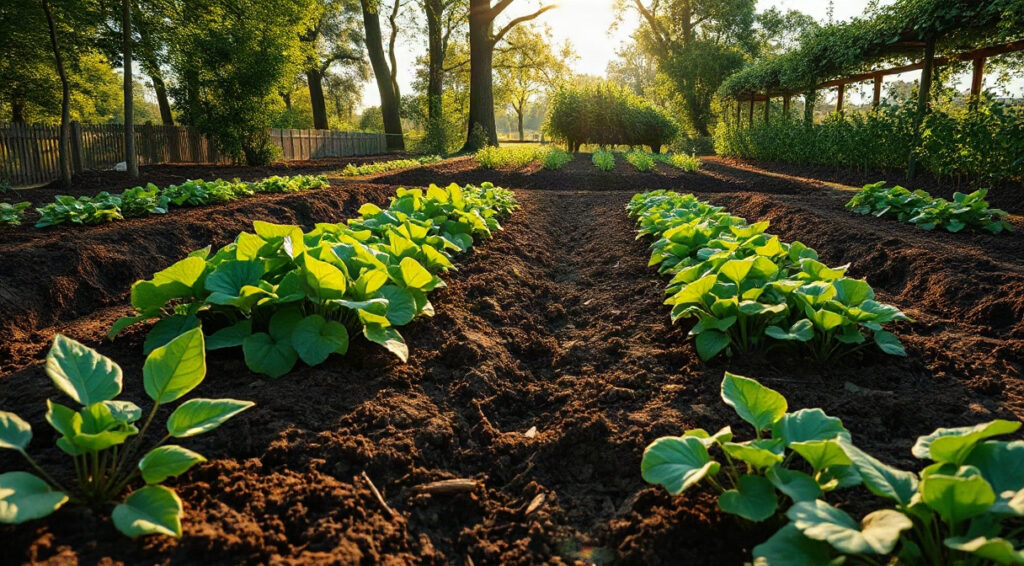
The no dig gardening method has revolutionized how gardeners worldwide approach soil cultivation, offering a sustainable alternative to traditional tilling that builds healthier soil while dramatically reducing labor. Instead of breaking your back with spades and forks, this approach works with natural processes to create fertile, productive gardens where plants thrive and weeds struggle to establish. By understanding and applying the principles behind this technique, you can transform your growing space into a low-maintenance paradise that actually improves year after year without the constant battle against unwanted vegetation.
What Makes the No Dig Gardening Method Revolutionary
The fundamental principle of the no dig gardening method is deceptively simple: stop disturbing the soil and let nature do the heavy lifting. Traditional gardening teaches us that we must turn and loosen soil to prepare it for planting, yet this practice actually disrupts the complex ecosystem living beneath our feet. When you dig, you destroy fungal networks, kill beneficial organisms, and bring weed seeds to the surface where they germinate readily.
Charles Dowding, the British pioneer who popularized this approach through decades of side-by-side trials, demonstrated that undisturbed soil consistently outperforms dug beds in both yield and quality. His research showed that the no dig gardening method produces comparable or superior harvests while requiring significantly less time and physical effort. The secret lies in preserving soil structure and allowing natural processes to create optimal growing conditions.
The Science Behind Undisturbed Soil
Soil is not merely dirt—it is a living matrix containing billions of organisms per teaspoon. These microorganisms, fungi, earthworms, and other creatures form intricate relationships that cycle nutrients, create pore spaces for air and water, and build stable aggregates that resist erosion. When you plunge a spade into this ecosystem, you shatter these networks and set back soil development by months or even years.
The no dig gardening method preserves these communities intact. Fungi can extend their hyphal networks deeper into the soil, accessing nutrients unavailable to plant roots alone. Earthworms create vertical channels that drain water efficiently while remaining stable during heavy rains. Beneficial bacteria colonize root zones and fix atmospheric nitrogen, reducing the need for supplemental fertilizers.
Mulching Soil Structure Benefits: The Foundation of Success
Mulching represents the primary tool through which the no dig gardening method achieves its remarkable results. A generous layer of organic material applied to the soil surface initiates a cascade of positive changes that transform growing conditions from the top down. Understanding these mulching soil structure benefits helps gardeners apply this technique with confidence and precision.
The most immediate mulching soil structure benefits include:
- Moisture retention: A 2-4 inch mulch layer reduces evaporation by up to 70%, maintaining consistent soil moisture that plants prefer
- Temperature moderation: Mulch insulates soil from extreme heat and cold, protecting roots and maintaining biological activity
- Erosion prevention: Protected soil surfaces resist compaction from rain impact and retain topsoil during heavy weather
- Weed suppression: Blocking light prevents weed seed germination while making any survivors easy to pull from loose mulch
- Nutrient cycling: Decomposing organic matter feeds soil life and releases plant-available nutrients gradually
How Mulch Builds Soil Structure Over Time
The transformation beneath a mulch layer occurs through several interconnected processes that gradually create ideal growing conditions. Initially, the mulch simply protects the surface, but within weeks, biological activity intensifies dramatically. Earthworms migrate upward to consume fresh organic matter, dragging it downward and mixing it with mineral soil in their casts. This vertical mixing creates the crumb structure gardeners prize without any mechanical intervention.
Fungal decomposition breaks down tougher materials like wood chips and straw, creating glomalin and other sticky compounds that bind soil particles into stable aggregates. These aggregates maintain pore spaces for air and water even when saturated, preventing the anaerobic conditions that stunt root growth. Over seasons, this biological tillage creates soil that is simultaneously looser and more stable than anything achievable with a fork or rotavator.
Setting Up Your First No Dig Garden Bed
Establishing a new bed using the no dig gardening method requires some initial preparation, though far less than traditional approaches. The process varies slightly depending on your starting conditions, but the principles remain consistent: suppress existing vegetation, add generous organic layers, and allow time for biological processes to integrate materials.
For converting lawn or weedy areas, follow this proven sequence:
- Cover the area with light-excluding cardboard, overlapping edges by 6 inches to prevent weed breakthrough
- Apply 4-6 inches of well-rotted compost or aged manure directly on top of the cardboard
- Add a final 2-inch layer of finer compost or leaf mold for immediate planting if desired
- Water thoroughly to settle materials and initiate decomposition
- Plant directly into the compost layer, making holes through cardboard where roots need deeper penetration
Existing garden beds transition more easily—simply stop digging and begin applying annual mulch layers. The cardboard barrier proves unnecessary where soil is already exposed, though persistent perennial weeds may still require this suppression tactic.
Choosing the Best Mulch Materials
Material selection significantly impacts both the speed of soil improvement and immediate growing success. Different mulches offer varying balances of carbon and nitrogen, decomposition rates, and aesthetic qualities. Matching materials to your specific situation maximizes the mulching soil structure benefits you achieve.
Consider these options for your garden:
- Homemade compost: The ideal choice—nutrient-rich, biologically active, and fine enough for immediate planting; apply 1-2 inches annually
- Aged animal manures: Excellent nitrogen content accelerates decomposition; ensure thorough composting to avoid pathogen risks and burning tender plants
- Leaf mold: Superior fungal diversity supports woody plants and trees; partially decomposed leaves offer the best texture
- Straw or hay: Affordable carbon-rich option for paths and between rows; watch for persistent herbicide residues in hay
- Wood chips: Long-lasting, excellent for paths and around perennials; avoid mixing into soil where nitrogen immobilization could stunt annual vegetables
As noted according to RHS Composting Guide, proper composting technique ensures materials reach temperatures sufficient to kill pathogens and weed seeds while preserving beneficial organisms. Their guidelines for achieving hot composting prove invaluable for gardeners generating their own mulch materials.
Weed Elimination: The Unexpected Bonus
Perhaps no aspect of the no dig gardening method converts skeptical gardeners more effectively than weed reduction. After years of battling thistles, bindweed, and annual invaders, the revelation that simple mulching can reduce weeding by 90% or more feels almost miraculous. Yet this outcome follows predictably from understanding weed ecology and disrupting their life cycles.
Most garden weeds germinate in response to light exposure and soil disturbance. The digging that traditional gardeners perform constantly brings fresh seeds to the surface while creating ideal seedbed conditions. Each cultivation episode triggers a new flush of germination, establishing the exhausting cycle of weed-grow-dig-weed that dominates so many growing seasons.
The Weed Seed Bank Strategy
All soils contain vast reserves of dormant weed seeds—scientists estimate tens of thousands per square meter in typical garden soil. These seeds remain viable for years or decades, waiting for the light and disturbance cues that indicate favorable germination conditions. The no dig gardening method deliberately keeps this seed bank buried and dormant rather than constantly recruiting new weeds to the surface.
When you stop digging and maintain consistent mulch cover, several mechanisms suppress weed establishment:
- Physical barrier prevents light reaching buried seeds, maintaining dormancy
- Loose mulch texture allows easy removal of any weeds that do germinate in the mulch layer itself
- Healthy soil biology competes with weed seedlings, while established crops outgrow them quickly
- Earthworm activity gradually buries surface weed seeds deeper where germination becomes unlikely
- Reduced soil disturbance prevents annual weeds from regenerating from root fragments
Perennial weeds present greater challenges, as established root systems can penetrate mulch layers. However, even here the no dig gardening method offers advantages. Without repeated fragmentation through digging, roots gradually exhaust themselves rather than multiplying. Consistent removal of top growth before flowering prevents seed dispersal, and the improved soil conditions favor desired plants that can eventually outcompete invaders.
Long-Term Soil Fertility and Carbon Sequestration
Beyond immediate gardening benefits, the no dig gardening method contributes to broader environmental goals through carbon sequestration and reduced emissions. Agricultural soils globally have lost an estimated 50-70% of their original carbon content through centuries of tillage. Reversing this trend in our gardens, while small in absolute terms, demonstrates practices that could scale meaningfully.
Each application of organic mulch adds carbon that would otherwise return rapidly to the atmosphere through decomposition. In undisturbed soil, much of this carbon becomes stabilized through several mechanisms:
- Aggregate protection: Carbon inside stable soil aggregates becomes physically inaccessible to decomposers
- Mineral associations: Organic compounds bind to clay particles, forming persistent organo-mineral complexes
- Microbial residues: Dead microbial cells and byproducts accumulate as recalcitrant organic matter
- Root inputs: Living plant roots exude carbon compounds that feed stable fungal networks
The mulching soil structure benefits thus extend to climate mitigation, with each garden becoming a small but meaningful carbon sink. Combined with eliminated fossil fuel use from powered cultivation equipment, the environmental case for this approach strengthens further.
Maintaining Fertility Without Synthetic Inputs
A common concern about reducing cultivation involves maintaining adequate fertility without the regular incorporation of fertilizers that digging allows. In practice, the no dig gardening method often achieves superior nutrient management through more natural cycling processes.
Surface-applied compost releases nutrients gradually as rain percolates through and roots actively forage in the top layers where decomposition concentrates. This mimics forest floor patterns where most nutrient cycling occurs in the surface organic horizon. Deep-rooted plants access subsoil nutrients unavailable to shallow cultivation zones, while mycorrhizal fungi extend effective root reach dramatically.
Annual soil testing helps monitor trends, with most no-dig gardeners finding that compost additions alone maintain or improve fertility indicators over time. Where specific deficiencies appear, targeted amendments address needs without the blanket applications that conventional practice often employs.
Adapting the No Dig Method to Different Growing Conditions
The no dig gardening method principles apply universally, but successful implementation requires adaptation to specific climates, scales, and crop types. Understanding how to modify approaches prevents disappointment and accelerates success across diverse situations.
Climate Considerations
In wet climates, the improved drainage from preserved soil structure prevents waterlogging that causes root diseases. Mulch layers may need to be thinner or incorporate more coarse materials to avoid excessive moisture retention during rainy periods. Gaps between mulch and plant stems reduce collar rot risks.
Dry climates benefit enormously from the moisture conservation that mulching provides, but organic materials decompose faster and may need more frequent replenishment. Wood chip mulches persist longer than compost in arid conditions, though they provide less immediate nutrient release. Rock mulches offer permanence where organic materials prove scarce, though without the biological benefits.
Scale and Accessibility
Small urban gardens implement the no dig gardening method most easily, with raised beds and container systems naturally suited to layer building. The reduced labor particularly benefits older gardeners or those with physical limitations that make digging difficult or impossible.
Larger market gardens increasingly adopt no-dig principles, with mechanized compost spreading replacing tillage operations. While initial transitions require significant organic matter investment, ongoing operations often prove more profitable through reduced fuel, equipment, and labor costs combined with premium prices for organically grown produce.
Frequently Asked Questions
How long does it take to see results with the no dig gardening method?
Most gardeners notice immediate improvements in weed pressure and soil moisture within the first season. Structural changes develop more gradually, with significant transformation typically visible after two to three years of consistent mulching. The initial cardboard suppression period may look unimpressive, but biological activity beneath the surface proceeds rapidly even when invisible.
Can I use the no dig gardening method for all types of plants?
The no dig gardening method succeeds with virtually all plant types, though root crops like carrots and potatoes sometimes present challenges in the first year on poorly prepared ground. Deep compost layers provide the loose texture these crops need. Established perennials, fruit trees, and shrubs particularly thrive with the fungal-dominated soil communities that no-dig practices encourage.
What if I have heavy clay or sandy soil?
Problem soils actually improve faster with no-dig approaches than through mechanical amendment. Clay soils develop structure through biological activity that no amount of digging can replicate, gradually becoming friable without the rock-hard pans that cultivation creates. Sandy soils benefit enormously from organic matter accumulation that improves water and nutrient retention. In both cases, generous annual compost applications of 2-4 inches accelerate transformation.
Is the no dig gardening method more expensive than traditional gardening?
Initial setup may require purchasing compost or other organic materials if homemade supplies prove insufficient. However, ongoing costs typically fall below conventional practice as composting systems mature and purchased inputs diminish. Eliminated equipment costs, reduced water use, and time savings represent significant economic benefits that most gardeners find quickly offset any initial investment.
How do I deal with slugs and pests in mulched gardens?
Slugs can indeed proliferate in moist mulch environments, particularly during wet periods. Management strategies include maintaining drier mulch surfaces through coarse materials, encouraging natural predators like ground beetles and frogs, and targeted biological controls where necessary. The improved plant vigor that healthy soil provides often compensates for minor pest damage, and diverse, undisturbed habitats support beneficial insects that keep populations in check naturally.
Can I switch to no dig gardening method mid-season?
Absolutely. Simply stop any further cultivation and apply mulch around existing plantings, keeping material slightly back from stems to prevent rot issues. The transition requires no special timing—whenever you choose to stop digging, the soil recovery process begins. Many gardeners transition gradually, converting beds one at a time as crops finish rather than attempting wholesale transformation immediately.
Conclusion: Start Your No Dig Transformation Today
The no dig gardening method offers a genuinely transformative approach to growing that aligns cultivation with ecological principles rather than fighting against them. By embracing mulching soil structure benefits and trusting natural processes, you reclaim time and energy while achieving results that often surpass conventional practice. The elimination of weeding alone justifies adoption for many gardeners, while the long-term soil improvement ensures increasing returns for decades.
Whether you manage a single raised bed or extensive market gardens, the principles remain consistent: stop disturbing soil, apply generous organic mulches, and allow biology to build structure that mechanical intervention cannot replicate. Your back will thank you, your plants will thrive, and the complex underground ecosystem will reward your patience with abundance beyond what digging ever achieved.
Ready to transform your garden with less work and better results? Visit Blossom Gardens Hub for comprehensive resources, detailed guides, and community support to help you implement the no dig gardening method successfully in your unique growing space. Your soil is waiting to heal itself—give it the chance it deserves.
