
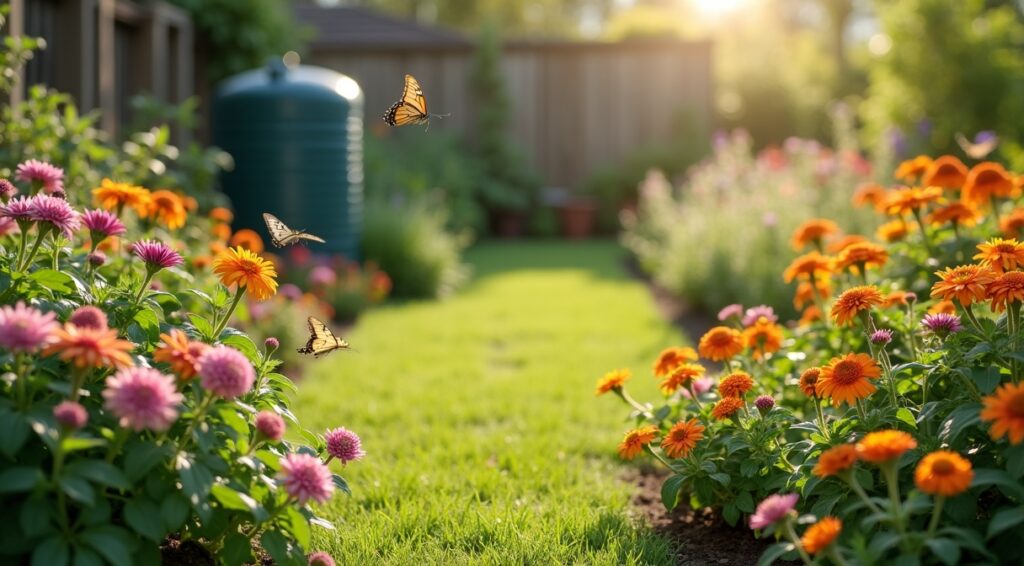
5 Sustainable Garden Practices for a Thriving Eco Oasis
In an era where environmental consciousness is paramount, transforming your backyard into a haven of biodiversity is more than just a hobby; it is a responsibility. Adopting sustainable garden practices is the cornerstone of modern horticulture, ensuring that we cultivate beauty without depleting the earth’s resources. Whether you are a seasoned gardener or a novice with a single pot on a balcony, the shift towards sustainability offers profound benefits for your plants, your health, and the planet.
This comprehensive guide will delve deep into the three pillars of eco-friendly gardening: strategic companion planting, the use of organic fertilizers, and the creation of pollinator gardens. By integrating these sustainable garden practices, you will not only enhance the aesthetic appeal of your outdoor space but also contribute to a healthier global ecosystem.
Understanding the Core of Sustainable Gardening
Before digging into the soil, it is essential to understand what sustainability means in the context of gardening. At its heart, it involves working with nature rather than against it. It means minimizing waste, conserving water, avoiding synthetic chemicals, and fostering a balanced ecosystem where pests are managed naturally and soil health is prioritized.
Traditional gardening often relies on quick fixes: chemical fertilizers for rapid growth and synthetic pesticides to eliminate bugs. However, these methods often degrade soil structure over time, harm beneficial insects, and leach harmful substances into groundwater. In contrast, sustainable garden practices focus on long-term viability. They build soil organic matter, encourage beneficial wildlife, and create a self-regulating system that requires fewer inputs over time.
Pillar One: The Art of Companion Planting
One of the most effective sustainable garden practices is companion planting. This ancient technique involves placing different plants near each other to achieve specific benefits, such as pest control, pollination, providing habitat for beneficial creatures, maximizing use of space, and increasing crop productivity.
The Science Behind Plant Relationships
Plants are not isolated entities; they communicate and interact through their root systems and airborne chemicals. Some plants release substances that repel specific pests, while others attract beneficial insects that prey on garden nuisances. When you utilize companion planting organic methods, you are essentially creating a natural defense system that reduces the need for human intervention.
For example, planting marigolds alongside tomatoes is a classic strategy. Marigolds emit a strong scent that confuses and repels aphids and whiteflies, common pests that plague tomato plants. Similarly, planting basil near tomatoes not only improves the flavor of the tomatoes but also repels thrips and flies.
Top Companion Planting Combinations
To successfully implement companion planting organic methods, consider these proven pairings:
- Carrots and Onions: The strong scent of onions masks the smell of carrots, protecting them from carrot fly.
- Corn, Beans, and Squash (The Three Sisters): This indigenous method sees corn providing a structure for beans to climb, beans fixing nitrogen in the soil for the heavy-feeding corn, and squash spreading along the ground to suppress weeds and retain moisture.
- Lettuce and Radishes: Radishes grow quickly and can be harvested before the lettuce needs the space, maximizing yield in small areas.
- Nasturtiums and Cucumbers: Nasturtiums act as a trap crop, attracting aphids away from your valuable cucumber vines.
By integrating these companion planting organic methods, you reduce the likelihood of pest outbreaks and decrease the dependency on external inputs, aligning perfectly with broader sustainable garden practices.
Pillar Two: Nourishing Soil with Organic Fertilizers
Healthy soil is the foundation of any successful garden. In sustainable gardening, the focus shifts from feeding the plant to feeding the soil. Organic fertilizers provide a slow-release source of nutrients that improve soil structure and promote microbial life, unlike synthetic fertilizers which can burn plants and degrade soil health over time.
Types of Organic Fertilizers
There is a wide array of organic materials you can use to enrich your garden. Here are some of the most effective options:
- Compost: Often called “black gold,” compost is decomposed organic matter. It improves soil texture, water retention, and provides a balanced mix of nutrients. Making your own compost from kitchen scraps and yard waste is a quintessential sustainable garden practice.
- Manure: Aged animal manure is rich in nitrogen. However, it must be composted before use to kill pathogens and prevent burning plants with high ammonia levels.
- Bone Meal: Excellent for root development, bone meal is high in phosphorus and calcium. It is particularly useful for flowering bulbs and root vegetables.
- Blood Meal: A fast-acting source of nitrogen, blood meal is great for leafy green vegetables but should be used sparingly to avoid soil acidification.
- Green Manure: This involves growing cover crops like clover or vetch and then tilling them back into the soil. This adds organic matter and fixes nitrogen.
The Benefits of Organic Feeding
Using organic fertilizers supports sustainable garden practices by enhancing the soil food web. Healthy soil teems with bacteria, fungi, earthworms, and other organisms that break down organic matter into nutrients plants can absorb. This biological activity improves soil aeration and drainage, making your garden more resilient to drought and disease.
Furthermore, organic fertilizers release nutrients slowly. This prevents the rapid surge of growth that attracts pests and ensures that nutrients are available throughout the growing season. It also minimizes nutrient runoff, protecting local waterways from eutrophication caused by excess nitrogen and phosphorus.
Pillar Three: Creating a Pollinator Garden
Pollinators such as bees, butterflies, hummingbirds, and beetles are vital for the reproduction of many plants, including a significant portion of the food we eat. Unfortunately, pollinator populations are declining due to habitat loss, pesticide use, and climate change. Creating a pollinator garden is one of the most impactful sustainable garden practices you can adopt.
Choosing the Right Plants
To attract pollinators, you need to provide a continuous source of nectar and pollen from early spring to late fall. Native plants are generally the best choice because they have co-evolved with local pollinators and require less water and maintenance.
Consider planting a variety of flower shapes and colors. Bees are often attracted to blue, purple, and yellow flowers, while hummingbirds prefer red and orange tubular blooms. Butterflies need flat-topped flowers to land on, such as yarrow or zinnias.
Providing Habitat and Water
Beyond food, pollinators need shelter and water. Leave some areas of your garden slightly wild. A pile of branches or a patch of bare soil can provide nesting sites for solitary bees. Installing a shallow water dish with stones for landing spots ensures that insects can hydrate without drowning.
Avoid using pesticides in your pollinator garden. Even organic pesticides can harm beneficial insects if not used correctly. Instead, rely on the companion planting organic methods discussed earlier to manage pests naturally. A diverse garden ecosystem will naturally keep pest populations in check through predation.
Water Conservation Strategies
While not one of the three main pillars discussed above, water conservation is an integral part of sustainable garden practices. Gardening sustainably means respecting water as a precious resource.
Mulching
Applying a layer of organic mulch, such as straw, wood chips, or shredded leaves, around your plants helps retain soil moisture, suppresses weeds, and regulates soil temperature. As the mulch breaks down, it adds organic matter to the soil, further enhancing its water-holding capacity.
Drip Irrigation and Rainwater Harvesting
Drip irrigation systems deliver water directly to the base of the plant, minimizing evaporation and runoff. Additionally, installing rain barrels to collect rainwater from your roof provides a free, chlorine-free water source for your garden. These methods significantly reduce your water footprint and align with the ethos of sustainability.
Implementing No-Dig Gardening
Traditional tilling can disrupt soil structure, harm earthworms, and bring weed seeds to the surface. No-dig gardening is a growing trend within sustainable garden practices that involves layering organic matter on top of the soil rather than digging it in.
This method mimics the natural process of forest floors, where leaves and debris accumulate on the surface and decompose gradually. No-dig gardens tend to have fewer weeds, better soil structure, and higher carbon sequestration potential. It is less labor-intensive and protects the delicate mycelial networks of fungi that help plants absorb nutrients.
Seasonal Maintenance for Sustainability
Sustainability is a year-round commitment. Each season offers unique opportunities to care for your garden ecologically.
Spring
In spring, focus on soil preparation using compost and organic fertilizers. Plant early blooming flowers to support emerging pollinators. Start your compost bin with spring yard waste.
Summer
During the heat of summer, prioritize watering early in the morning to reduce evaporation. Monitor plants for pests and use manual removal or organic sprays only as a last resort. Harvest regularly to encourage continued production.
Autumn
Fall is the time to plant cover crops to protect soil over winter. Clean up diseased plant material but leave healthy stems to provide winter habitat for insects. Add a thick layer of mulch to protect plant roots from freezing.
Winter
Use winter to plan your next season. Order seeds from organic suppliers. Repair tools and maintain compost piles. Reflect on what worked and what didn’t to improve your sustainable garden practices for the coming year.
The Economic Benefits of Sustainable Gardening
While the environmental benefits are clear, sustainable garden practices also make economic sense. By producing your own compost, collecting rainwater, and saving seeds, you reduce the cost of inputs. Organic produce from your garden is often higher in nutrients and free from pesticide residues, saving you money on grocery bills and healthcare costs in the long run.
Moreover, a well-designed sustainable garden can increase property value. Landscapes that are water-wise and biodiversity-friendly are increasingly attractive to homebuyers who value low maintenance and environmental stewardship.
Overcoming Common Challenges
Transitioning to sustainable methods can come with challenges. You might face increased pest pressure initially as the ecosystem balances itself. Patience is key. It takes time for beneficial insect populations to establish. Resist the urge to reach for chemicals.
Another challenge is the learning curve. Understanding soil types, plant relationships, and seasonal cycles takes experience. Join local gardening groups, attend workshops, and connect with community gardens to accelerate your learning. Sharing knowledge is itself a sustainable garden practice that strengthens community resilience.
FAQ: Sustainable Garden Practices
1. What are the best sustainable garden practices for beginners?
For beginners, the best approach is to start small. Focus on building healthy soil by adding compost, choose native plants that are adapted to your local climate, and avoid synthetic chemicals. Starting a small compost bin and planting a few pollinator-friendly flowers are excellent first steps toward mastering sustainable garden practices.
2. How does companion planting reduce the need for pesticides?
Companion planting works by using natural plant relationships to deter pests. Some plants emit scents that confuse pests, while others attract beneficial insects that eat garden pests. By using companion planting organic methods, you create a balanced ecosystem where pest populations are controlled naturally, reducing or eliminating the need for chemical pesticides.
3. Can I use store-bought organic fertilizers?
Yes, store-bought organic fertilizers are a great option if you do not have access to homemade compost or manure. Look for certifications that guarantee the product is free from synthetic additives. However, making your own compost is the most cost-effective and sustainable option in the long run.
4. Why are native plants important for a pollinator garden?
Native plants have evolved alongside local pollinators, making them the most efficient source of nectar and pollen for local bees and butterflies. They also require less water and maintenance than non-native species, making them a core component of sustainable garden practices.
5. How long does it take to see results from sustainable gardening?
Soil health improvements can be seen within a single growing season, but building a fully balanced ecosystem often takes 2-3 years. Patience is essential. As soil structure improves and beneficial insect populations establish, you will notice healthier plants and fewer pest problems.
Conclusion
Adopting sustainable garden practices is a journey toward a harmonious relationship with nature. By integrating companion planting, utilizing organic fertilizers, and cultivating pollinator gardens, you create a space that is not only beautiful but also regenerative. These methods protect our environment, support biodiversity, and yield healthier produce for your table.
The shift away from chemical dependency and toward ecological balance empowers you to become a steward of the land. Every plant you grow without pesticides and every gallon of water you save contributes to a larger movement of environmental restoration.
Ready to transform your garden into a sustainable sanctuary? Explore more guides, tips, and eco-friendly products at Blossom Gardens Hub and start your journey today.
