
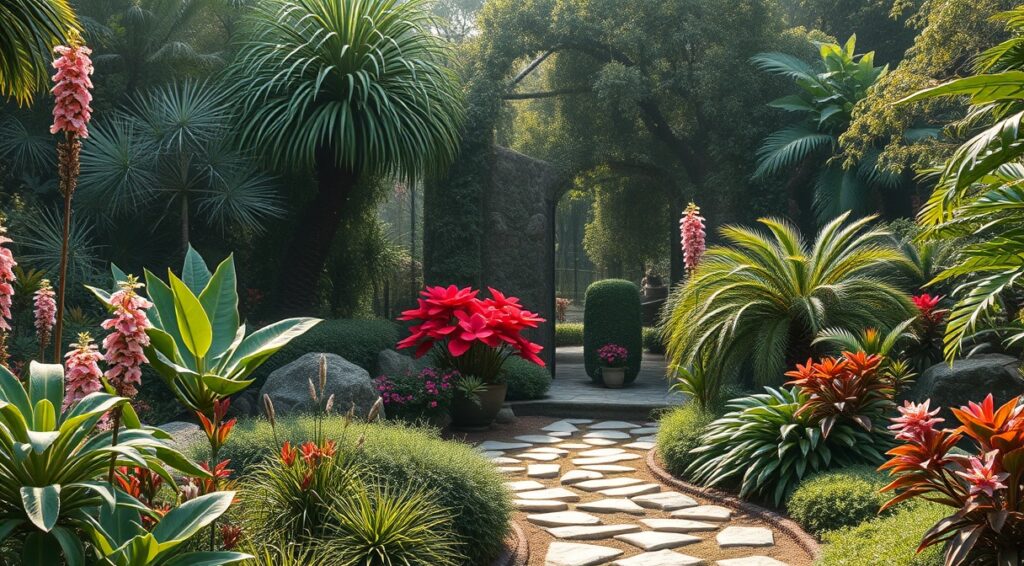
Creating the best flowering plants garden requires careful planning, knowledge of seasonal cycles, and dedicated care to ensure vibrant colors throughout the year. Whether you are a novice gardener or a seasoned horticulturist, selecting the right varieties can transform your outdoor space into a sanctuary of beauty. This comprehensive guide will walk you through everything you need to know about cultivating stunning blooms, from initial planning to harvesting cut flowers for your home. By understanding the specific needs of different species, you can maintain a thriving ecosystem that supports pollinators and provides endless visual enjoyment.
Many homeowners struggle with maintaining continuous color, often facing gaps where nothing seems to bloom. This is where a strategic bloom calendar becomes essential. By sequencing your plantings, you ensure that as one flower fades, another takes its place. Furthermore, integrating a cutting garden allows you to bring the beauty indoors, extending the life of your efforts into your living space. We will explore the top choices for best flowering plants garden setups that maximize both aesthetic appeal and longevity. Let us dive into the essential steps to create a landscape that flourishes in every season.
1. Planning Your Bloom Calendar for Continuous Color
A successful garden does not happen by accident; it is the result of meticulous scheduling. To achieve the best flowering plants garden possible, you must map out when each plant will peak. This ensures there are no bare patches in your landscape during spring, summer, or autumn. Start by listing plants based on their flowering periods. Early spring bulbs like crocuses and daffodils wake up the garden after winter. As they fade, perennials such as peonies and irises take center stage. Summer brings the heat-loving varieties like zinnias and dahlias, while autumn offers the rich tones of chrysanthemums and asters.
Creating a visual chart can help you track these cycles effectively. Consider the following steps to build your calendar:
- Identify your hardiness zone to know which plants survive your winter.
- List potential candidates based on sun exposure and soil type.
- stagger planting times to extend harvest periods for cut flowers.
- Include evergreen structures to provide winter interest when blooms are scarce.
- Review past performance to adjust future selections for better results.
By following this structured approach, you guarantee that your best flowering plants garden remains dynamic and engaging throughout the year. It also helps in managing labor, as you will know exactly when to expect heavy blooming periods that require more maintenance. Planning ahead reduces stress and allows you to enjoy the process rather than reacting to problems as they arise. For more detailed planning tools, you can visit best flowering plants garden resources to download our exclusive templates.
2. Top Choices for Cutting Garden Seasonal Blooms
When designing for cut flowers, stem length and vase life are critical factors. The best flowering plants garden for cutting purposes includes varieties that produce long, sturdy stems and resist wilting quickly. Some of the top contenders include Sweet Peas, which offer fragrance and delicate petals, and Sunflowers, known for their bold presence and ease of growth. Dahlias are another favorite, providing complex bloom structures that last well in arrangements. These plants are not only beautiful in the ground but also transform your indoor decor when harvested correctly.
To maximize your yield, consider these high-performance options:
- Zinnias: Fast-growing and available in many colors, perfect for summer bouquets.
- Cosmos: Airy foliage and long stems make them ideal for filler in arrangements.
- Gladiolus: Tall spikes add vertical interest and dramatic flair to vases.
- Rununculus: Layered petals provide a luxurious look for spring events.
- Stock: Highly fragrant and excellent for adding volume to mixed bunches.
Integrating these into your design ensures you always have fresh flowers on hand. According to according to RHS Flowering Plants, perennials often provide better long-term value than annuals because they return year after year. However, annuals often offer more vibrant colors and longer blooming periods within a single season. A mix of both creates a balanced best flowering plants garden that satisfies both aesthetic and practical needs. Remember to cut flowers in the early morning when their water content is highest for the longest vase life.
3. Essential Care Tips for Thriving Blooms
Even the hardiest varieties will struggle without proper maintenance. To maintain the best flowering plants garden, you must adhere to strict care routines regarding water, soil, and nutrients. Healthy soil is the foundation of any successful planting scheme. It should be well-draining yet capable of retaining enough moisture to support root growth. Regular testing can reveal pH imbalances or nutrient deficiencies that might hinder flowering. Adding organic matter like compost improves soil structure and provides a slow-release food source for your plants.
Soil Preparation and Amendments
Before planting, till the soil to a depth of at least twelve inches. Mix in aged manure or compost to boost fertility. For heavy clay soils, add sand or perlite to improve drainage. Sandy soils benefit from added organic matter to increase water retention. Mulching around the base of plants helps retain moisture and suppress weeds, reducing competition for nutrients. This simple step can significantly impact the health of your best flowering plants garden by stabilizing soil temperature and reducing evaporation rates during hot spells.
Watering Techniques and Schedules
Consistent watering is crucial, especially during dry spells. Deep watering encourages roots to grow downward, making plants more drought-resistant. Avoid overhead watering which can promote fungal diseases on leaves and blooms. Instead, use soaker hoses or drip irrigation systems to deliver water directly to the root zone. Morning watering is ideal as it allows foliage to dry before evening, reducing the risk of mildew. Monitoring soil moisture levels with a meter can prevent both overwatering and underwatering, ensuring your best flowering plants garden stays hydrated without becoming waterlogged.
4. Extending the Flowering Season Through Maintenance
One of the biggest challenges is keeping flowers blooming for as long as possible. Deadheading is a critical practice for the best flowering plants garden. This involves removing spent flowers before they set seed. By doing this, you trick the plant into producing more blooms rather than focusing energy on reproduction. Regular deadheading can extend the flowering period of many annuals and perennials by several weeks. It also keeps the garden looking tidy and prevents self-seeding if you want to control where new plants appear.
Fertilization also plays a key role in extending blooms. Use a balanced fertilizer during the growing season, but switch to a low-nitrogen, high-phosphorus formula when buds begin to form. Too much nitrogen encourages leafy growth at the expense of flowers. Potassium helps strengthen stems and improves overall plant vigor. Keep a schedule for feeding your plants, typically every four to six weeks during active growth. This consistent nutrient supply supports the high energy demand of producing continuous cutting garden seasonal blooms and ensures vibrant colors throughout the season.
5. Common Mistakes to Avoid in Flower Gardening
Even experienced gardeners can make errors that compromise their results. Avoiding these pitfalls is essential for maintaining the best flowering plants garden. One common mistake is overcrowding plants. While it looks full initially, overcrowding leads to poor air circulation and increased disease pressure. Plants compete for light and nutrients, resulting in weaker stems and fewer flowers. Always follow spacing recommendations on seed packets or plant tags to give each specimen room to thrive.
Another error is ignoring pest management until it is too late. Regular inspections allow you to catch aphids, slugs, or beetles early. Use integrated pest management strategies such as introducing beneficial insects like ladybugs or using organic neem oil sprays. Chemical pesticides should be a last resort as they can harm pollinators essential for fruit and seed set. Additionally, failing to rotate crops or change planting locations can lead to soil-borne diseases building up over time. By staying vigilant and proactive, you protect your investment and ensure your best flowering plants garden remains healthy and productive year after year.
Frequently Asked Questions
What are the easiest flowers for beginners to grow?
Marigolds, sunflowers, and zinnias are excellent choices for beginners due to their hardiness and fast growth rates. They tolerate various soil conditions and require minimal maintenance to produce abundant blooms.
How often should I water my flowering plants?
Most flowering plants need about one inch of water per week. However, this depends on weather conditions and soil type. Check soil moisture regularly and water deeply when the top inch feels dry.
Can I grow a cutting garden in containers?
Yes, many cut flowers like cosmos and snapdragons grow well in large containers. Ensure pots have drainage holes and use high-quality potting mix to support healthy root development.
What is the best time to cut flowers for arrangements?
The early morning is the best time to cut flowers. At this time, plants are fully hydrated, and temperatures are cool, which helps the blooms last longer in the vase.
How do I prepare soil for new flower beds?
Start by removing weeds and debris. Loosen the soil to a depth of twelve inches and mix in compost or aged manure to improve fertility and drainage before planting.
Conclusion
Building the best flowering plants garden is a rewarding journey that combines artistry with science. By planning your bloom calendar, selecting the right varieties for cutting, and adhering to strict care routines, you can create a landscape that dazzles in every season. Remember that consistency is key; regular maintenance prevents problems before they start and ensures your plants reach their full potential. Whether you are growing for personal enjoyment or to fill your home with fresh arrangements, the effort you put in will yield beautiful results.
Take the first step today by assessing your space and choosing your favorite varieties. For more inspiration and expert advice, visit https://blossomgardenshub.com to explore our full range of gardening guides and community resources. Start planting now and watch your garden transform into a thriving haven of color and life.
