
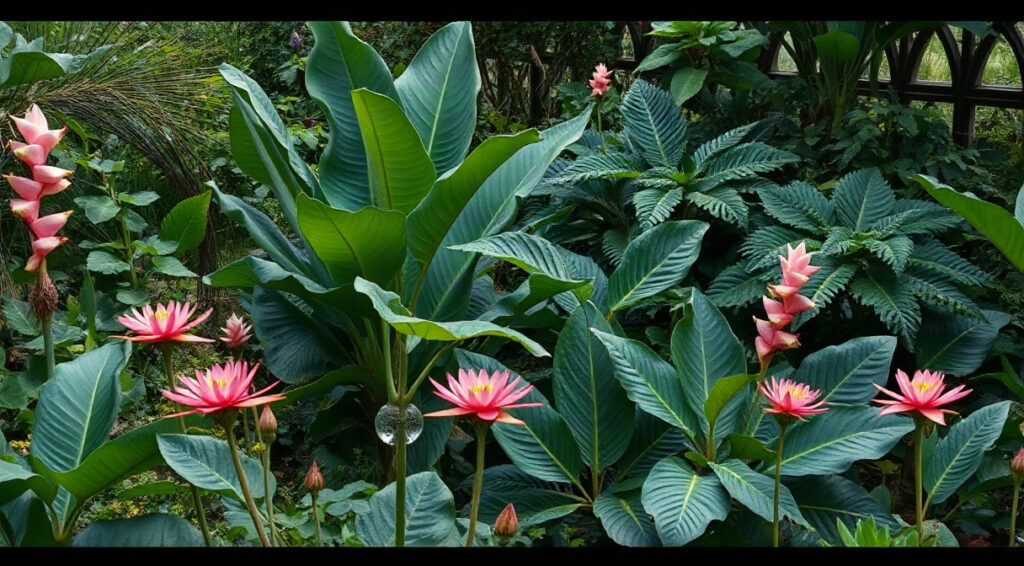
When searching for ways to improve indoor air quality, air purifying houseplants are among the most effective and beautiful solutions available to homeowners today. These natural filters do more than just decorate a space; they actively remove toxins, increase humidity, and promote better sleep and overall well-being. In this comprehensive guide, we will explore the top varieties suited for different rooms, ensuring you find the perfect green companions for your specific lifestyle and safety needs.
Many people are unaware that common household items like cleaning products, paints, and furniture can release volatile organic compounds (VOCs) into the air. Breathing these in over time can lead to health issues ranging from headaches to respiratory problems. Incorporating air purifying houseplants into your daily environment is a proactive step toward mitigating these risks. Whether you live in a small apartment or a large family home, there is a plant suitable for your space that can help cleanse the air naturally.
Furthermore, the psychological benefits of caring for living things cannot be overstated. Tending to a garden indoors reduces stress and boosts mood. When you choose the right species, you combine mental health benefits with physical health improvements. As we delve deeper into the specific varieties, keep in mind that proper care is essential for these plants to thrive and perform their air-cleaning functions effectively. For more inspiration on creating a green sanctuary, visit best air purifying houseplants to explore our full collection of gardening resources.
The Science Behind Clean Air
Understanding how plants clean the air helps us appreciate why air purifying houseplants are so valuable. The process primarily involves photosynthesis, where plants absorb carbon dioxide and release oxygen. However, certain species have been shown to remove specific toxins like benzene, formaldehyde, and trichloroethylene from the atmosphere. This phenomenon was notably highlighted in NASA’s Clean Air Study, which tested various plants for their ability to filter out harmful chemicals found in enclosed spaces.
While one plant alone cannot purify an entire house, a strategic collection placed in key areas can significantly improve air quality. The soil and root systems also play a role, hosting microorganisms that contribute to breaking down pollutants. To maximize these benefits, it is recommended to have one plant per 100 square feet of floor space. This density ensures that the air circulation passes through enough foliage to make a measurable difference.
It is also important to note that while plants are powerful, they work best in conjunction with other healthy habits. Regular ventilation, reducing the use of chemical cleaners, and maintaining low humidity levels to prevent mold are all part of the equation. air purifying houseplants should be viewed as a vital component of a holistic approach to home health. According to research, having these plants in workspaces can also increase productivity and concentration, making them excellent additions to home offices as well.
For those interested in the technical specifics of which plants remove which toxins, according to RHS Air Purifying Plants, there is a wide variety of species proven to be effective. The Royal Horticultural Society provides detailed breakdowns that align with our recommendations here. By selecting plants based on scientific data, you ensure that your indoor garden is not just aesthetic but functional. This evidence-based approach guarantees that your investment in greenery pays off in terms of health and vitality.
Top Varieties for the Bedroom
The bedroom is a sanctuary for rest, and the air quality here directly impacts sleep quality. Choosing air purifying houseplants for this room requires selecting species that release oxygen at night, such as those using Crassulacean Acid Metabolism (CAM) photosynthesis. These plants continue to purify the air while you sleep, promoting deeper rest and easier breathing throughout the night.
Snake Plant (Sansevieria)
The Snake Plant is arguably the hardiest option for a bedroom. It is incredibly tolerant of neglect, requiring water only every few weeks. Its upright, sword-like leaves add a modern architectural element to any decor. Most importantly, it converts CO2 into oxygen at night, making it ideal for sleeping environments. It removes toxins like formaldehyde and xylene, which are often found in cleaning products and toilet paper.
Aloe Vera
Aloe Vera is another succulent that thrives in bright, indirect light. Beyond its air-purifying qualities, the gel inside its leaves is useful for treating minor burns and skin irritations. It is a functional plant that serves multiple purposes. Like the Snake Plant, it releases oxygen at night. However, it does need more light than its counterpart, so place it near a window that receives morning sun.
Lavender
While technically an herb, Lavender can be grown indoors in pots with sufficient sunlight. Its scent is renowned for promoting relaxation and reducing anxiety, which aids in falling asleep faster. The fragrance acts as a natural sedative. Ensure the soil drains well to prevent root rot, as Lavender dislikes wet feet. The combination of air purification and aromatherapy makes it a top contender for the bedroom.
- Light: Bright, indirect light for Aloe; low to bright for Snake Plant.
- Water: Low frequency; allow soil to dry completely.
- Benefit: Oxygen release at night for better sleep.
When arranging these plants, consider placing them on nightstands or dressers where they are accessible but not in the way. Keeping the bedroom clutter-free enhances the calming effect of the greenery. Remember that air purifying houseplants need dusting occasionally to ensure their pores remain open for gas exchange. A quick wipe with a damp cloth once a month keeps them functioning at peak efficiency.
Best Options for the Living Room
The living room is often the largest room in the house and the central hub of activity. It typically contains more furniture, electronics, and fabrics that can off-gas VOCs. Therefore, larger air purifying houseplants are recommended here to handle the greater volume of air and potential pollutants. These plants also serve as statement pieces in your interior design.
Spider Plant (Chlorophytum comosum)
Spider Plants are vigorous growers that produce offspring, known as spiderettes, which can be propagated easily. They are excellent at removing carbon monoxide and xylene. Their arching leaves create a lush, full appearance that fills corners beautifully. They are adaptable to various light conditions, though they prefer bright, indirect light. They are also non-toxic, which is a bonus for households with curious children or pets.
Peace Lily (Spathiphyllum)
The Peace Lily is known for its elegant white flowers and dark green foliage. It is highly effective at removing ammonia, benzene, and formaldehyde. Unlike many other plants, it thrives in lower light conditions, making it perfect for living rooms without large windows. It also indicates when it needs water by drooping slightly, taking the guesswork out of care. However, it is toxic to pets, so placement is key.
Rubber Plant (Ficus elastica)
For a bold statement, the Rubber Plant is an excellent choice. It can grow quite tall, drawing the eye upward and making the room feel larger. Its broad, waxy leaves are efficient at trapping dust and filtering air. It removes formaldehyde effectively. This plant prefers consistent moisture and bright, indirect light. It is a long-lived plant that can become a family heirloom over time.
- Place large plants in corners to maximize floor space.
- Use decorative pots that match your living room decor.
- Rotate plants occasionally to ensure even growth.
Maintaining air purifying houseplants in the living room also involves monitoring humidity. If your home is dry, especially in winter, grouping plants together can create a microclimate of higher humidity. This benefits the plants and can help prevent dry skin and respiratory irritation for inhabitants. Regular pruning keeps them looking tidy and encourages new growth, which in turn increases their air-cleaning capacity.
Pet Safe Indoor Plants Bedroom & Home
For pet owners, safety is the highest priority. Many common plants are toxic to cats and dogs if ingested. Finding air purifying houseplants that are also pet safe indoor plants bedroom compatible is crucial for a harmonious home. Fortunately, there are several beautiful options that pose no threat to your furry friends.
Parlor Palm (Chamaedorea elegans)
The Parlor Palm is a classic choice that is completely non-toxic to cats and dogs. It grows slowly and stays relatively compact, making it suitable for smaller spaces or tabletops. It filters out benzene and trichloroethylene. Its feathery fronds add a tropical vibe to any room. It tolerates low light well, which makes it versatile for different areas of the home.
Calathea (Prayer Plant)
Calatheas are prized for their stunning patterned leaves that move throughout the day. They are safe for pets and add a dynamic visual element to your decor. They prefer higher humidity and indirect light. While they can be slightly finicky about water quality, preferring distilled water, their beauty and safety make them worth the effort. They remove formaldehyde from the air.
Boston Fern (Nephrolepis exaltata)
Boston Ferns are lush and full, acting as natural humidifiers. They are safe for pets and excellent at removing formaldehyde and xylene. They require consistent moisture and high humidity, so they are great for bathrooms or kitchens, but can thrive in bedrooms with proper care. Their arching fronds create a soft, comforting texture in the room.
- Safety: All listed options are non-toxic to cats and dogs.
- Care: Monitor humidity levels closely for ferns and Calatheas.
- Placement: Keep within reach for pets to investigate safely.
When selecting pet safe indoor plants bedroom options, always double-check the specific variety. While the genus may be safe, specific cultivars might vary. It is also wise to discourage pets from chewing on any plant, even safe ones, as excessive ingestion can still cause mild stomach upset. Providing alternative chew toys can help protect your air purifying houseplants from becoming snacks. By choosing wisely, you ensure the safety of your pets while enjoying the benefits of a greener home.
Care Tips for Thriving Plants
To ensure your air purifying houseplants remain healthy and effective, consistent care is required. Each plant has specific needs regarding light, water, and soil. Ignoring these needs can lead to poor growth, reduced air purification, and eventually plant death. Here are the fundamental principles to keep your indoor garden thriving.
Light Requirements
Most air-purifying plants prefer bright, indirect light. Direct sunlight can scorch leaves, while too little light slows growth and reduces toxin removal. Observe the direction your windows face. South-facing windows provide the most light, while north-facing provide the least. Rotate your plants weekly to ensure all sides receive equal exposure. If natural light is insufficient, consider using grow lights to supplement.
Watering Schedules
Overwatering is the most common cause of houseplant death. Always check the soil moisture before watering. Stick your finger about an inch into the soil; if it feels dry, it is time to water. Ensure pots have drainage holes to prevent root rot. Use room temperature water to avoid shocking the roots. Some plants, like succulents, need less water, while ferns need consistent moisture.
Soil and Fertilizer
Use a high-quality potting mix designed for indoor plants. These mixes provide adequate drainage and aeration. During the growing season (spring and summer), fertilize monthly with a balanced liquid fertilizer. Reduce feeding in the fall and winter when growth slows. Refresh the soil every year or two to replenish nutrients and prevent compaction.
- Dust leaves regularly to maximize light absorption.
- Check for pests like spider mites or mealybugs weekly.
- Repot when roots become bound in the current container.
Proper care ensures that air purifying houseplants continue to function effectively for years. A healthy plant is an active plant. Neglected plants may survive, but they will not purify the air efficiently. By investing time in maintenance, you protect your investment and ensure a continuous supply of clean air. Remember that seasonal changes affect plant needs; adjust your care routine accordingly as the weather shifts.
Frequently Asked Questions
How many plants do I need to purify the air?
For noticeable effects, NASA suggests having one plant per 100 square feet. However, even a few plants can provide psychological benefits and minor air quality improvements. The more plants you have, the greater the impact on humidity and toxin reduction.
Are air purifying houseplants safe for children?
Many are, but not all. Plants like Peace Lilies and Pothos are toxic if ingested. Always research specific plants before placing them in areas accessible to children. Opt for non-toxic varieties like Spider Plants or Parlor Palms in play areas.
Can these plants replace an air purifier machine?
Plants are a great supplement but should not replace mechanical air purifiers in heavily polluted environments. They work best in conjunction with ventilation and machines. Plants provide continuous, low-level filtration without noise or electricity.
How often should I clean the plant leaves?
Dust can block the stomata (pores) on leaves, reducing their ability to breathe and purify. Wipe leaves with a damp cloth every two weeks. For plants with small leaves, a gentle shower rinse occasionally works well.
What are the best pet safe indoor plants bedroom options?
The best options include Parlor Palms, Calatheas, and Boston Ferns. These are non-toxic to cats and dogs and thrive in indoor conditions. They provide air purification without risking the health of your pets.
Conclusion
Integrating air purifying houseplants into your home is a simple yet powerful way to enhance your living environment. From the bedroom to the living room, there are varieties suited for every space and lifestyle. Whether you need pet safe indoor plants bedroom solutions or large statement pieces for your lounge, nature offers a green solution. By following the care tips provided, you can ensure your plants thrive and continue to clean your air for years to come.
Take the first step towards a healthier home today. Explore our wide range of gardening guides and plant care tips at Blossom Gardens Hub. Let us help you create a thriving, beautiful, and clean indoor sanctuary. Your health and your home deserve the best nature has to offer.
