
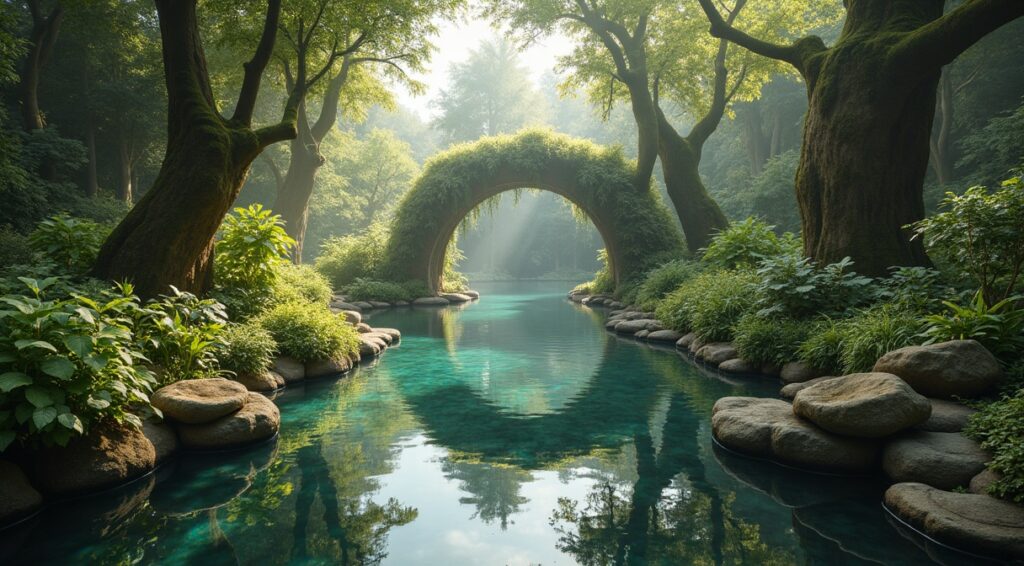
Creating a secluded sanctuary in your backyard starts with exploring the best garden privacy ideas available today. Whether you live in a densely populated urban area or simply wish to block an unsightly view, establishing boundaries is essential for relaxation and enjoyment. Many homeowners struggle with overlooking neighbors or noisy streets, but the right combination of natural and structural elements can transform your yard into a private haven. In this comprehensive guide, we will delve deep into various methods to achieve seclusion, focusing on sustainable and aesthetically pleasing options that add value to your property.
Privacy is not just about blocking views; it is about creating a sense of security and comfort. When you feel hidden from the outside world, you are more likely to spend time outdoors, hosting gatherings or enjoying quiet moments alone. The solutions range from fast-growing greenery to permanent architectural structures. By understanding the pros and cons of each method, you can make an informed decision that suits your specific landscape and budget. Let us explore the top strategies to enhance your outdoor living space effectively.
1. Natural Barriers: The Power of Hedges and Shrubs
One of the most traditional and effective ways to establish boundaries is through planting dense hedges. Unlike fences, hedges provide a living barrier that grows thicker over time, offering noise reduction and air purification alongside visual screening. When selecting plants for this purpose, it is crucial to consider the growth rate, mature height, and maintenance requirements. Evergreen varieties are particularly popular because they provide year-round coverage, ensuring your privacy is not lost during the winter months.
Top Hedge Varieties for Seclusion
Choosing the right plant species is fundamental to the success of your privacy screen. Some plants grow quickly but require frequent trimming, while others grow slowly but maintain their shape naturally. Here are some of the best options to consider for your landscape:
- Leyland Cypress: Known for its rapid growth rate, this evergreen can grow up to three feet per year, making it ideal for quick coverage.
- Arborvitae: A dense conifer that offers a lush green wall and requires minimal pruning once established.
- Boxwood: Perfect for formal gardens, boxwood can be shaped precisely and remains compact.
- Privet: A hardy deciduous or semi-evergreen shrub that tolerates heavy pruning and various soil conditions.
- Bamboo: Although technically a grass, clumping bamboo creates an excellent tall screen, though it requires root barriers to prevent spreading.
Implementing these garden privacy ideas requires patience, as plants take time to mature. However, the ecological benefits often outweigh the wait. Hedges support local wildlife, provide habitats for birds, and contribute to the overall biodiversity of your garden. For more inspiration on selecting the right flora, you can explore more garden privacy ideas on our main hub. Proper spacing at the time of planting is critical to ensure the hedge fills in evenly without gaps.
2. Vertical Solutions: Trellises and Climbing Plants
For those with limited ground space, vertical gardening offers a brilliant solution. Trellises combined with vigorous climbers can create a green wall that saves footprint while maximizing height. This approach is particularly useful for narrow side yards or patios where planting a full hedge is impossible. The structure provides immediate support, while the plants add softness and natural beauty over time.
When installing trellises, ensure they are sturdy enough to support the weight of mature vines. Wood, metal, and vinyl are common materials, each offering a different aesthetic. Wooden trellises blend naturally with garden settings, while metal options provide a modern, sleek look. Regardless of the material, the key is to select climbing plants that match your climate zone and sunlight exposure.
Best Climbers for Privacy Screens
Selecting the right vegetation is just as important as the structure itself. Some climbers are deciduous, losing leaves in winter, while others are evergreen. According to horticultural standards, choosing the right species ensures long-term success. For specific recommendations on species suitability, you can refer to expert advice according to RHS Climbing Plants. Here are some top performers:
- Star Jasmine: An evergreen vine with fragrant white flowers that provides dense coverage.
- Clematis: Offers beautiful blooms and can be layered with other plants for continuous interest.
- English Ivy: A vigorous grower that provides thick, year-round greenery but requires regular management.
- Climbing Roses: Add romance and scent while creating a formidable thorny barrier.
- Hops: Fast-growing annual vines that create a dense screen in a single season.
Integrating garden privacy ideas involving vertical elements allows for creativity. You can paint trellises to match your home or use them to divide different zones within the garden. This method is also excellent for renters who may not be able to plant permanent hedges but can install removable structures. The combination of structure and nature creates a dynamic living wall that changes with the seasons.
3. Built Structures: Fences and Outdoor Screens
Sometimes, immediate privacy is necessary, and waiting for plants to grow is not an option. In these cases, built structures like fences and outdoor screens provide instant results. Modern outdoor screens come in various materials, including wood, composite, metal, and fabric. These solutions are ideal for defining boundaries quickly and can be used in conjunction with planting for a layered effect.
Wooden fences offer a classic look and can be stained or painted to suit any style. However, they require maintenance to prevent rot and weathering. Composite materials are increasingly popular due to their durability and low maintenance needs. They do not warp or fade easily and often come with long warranties. Metal screens, such as laser-cut steel, offer a contemporary aesthetic and allow light to filter through while still obscuring direct views.
Pros and Cons of Structural Screens
Before investing in permanent structures, it is wise to weigh the advantages and disadvantages. Understanding these factors will help you choose the right material for your specific needs and budget:
- Pros: Instant privacy, high durability, low maintenance (for composite/metal), customizable designs, and noise reduction.
- Cons: Higher initial cost, potential permitting requirements, lack of ecological benefits compared to plants, and can block wind or light if not designed carefully.
When utilizing garden privacy ideas that involve hardscaping, consider the height restrictions in your local area. Many municipalities have rules regarding fence heights, especially near property lines. Additionally, think about airflow; a solid wall can create wind tunnels or stagnant air pockets, whereas slatted screens allow breeze to pass through. Combining these structures with potted plants at the base can soften the look and integrate them seamlessly into the landscape.
4. Creative DIY Privacy Solutions
Not every privacy solution needs to be expensive or permanent. There are numerous creative DIY options that allow homeowners to customize their space without breaking the bank. These projects are perfect for those who enjoy hands-on work and want unique features that reflect their personal style. From repurposed materials to strategic container gardening, the possibilities are endless.
One popular method is using large planters filled with tall grasses or shrubs. These can be moved around to adjust sunlight or change the layout of the patio. Another idea is to hang outdoor curtains on a pergola or gazebo. These fabric screens provide flexibility; you can open them to enjoy the view or close them for intimacy during gatherings. Bamboo rolls are another affordable option that can be attached to existing railings or fences to add height and texture.
Step-by-Step DIY Planter Screen
Creating a movable privacy screen using planters is a manageable weekend project. Here is a simple guide to get you started:
- Select large, heavy-duty pots to prevent tipping in the wind.
- Fill the bottom with gravel for drainage and weight.
- Add high-quality potting soil suitable for the chosen plants.
- Plant tall species like ornamental grasses, small trees, or bamboo.
- Arrange the planters in a row or zigzag pattern to block sightlines.
- Mulch the surface to retain moisture and give a finished look.
These DIY approaches complement other garden privacy ideas by adding layers of texture and height. They are particularly useful for balconies or small terraces where digging into the ground is not possible. By using wheels on the bottom of large planters, you can even reconfigure your space for different occasions. This flexibility is a major advantage for modern living where outdoor spaces often serve multiple functions.
5. Maintenance and Long-Term Care
Once you have implemented your chosen screening solutions, ongoing maintenance is key to ensuring they remain effective and attractive. Neglecting care can lead to overgrowth, disease, or structural failure. Regular pruning, watering, and inspection will extend the life of your privacy features and keep them looking pristine. A well-maintained garden not only provides privacy but also enhances curb appeal and property value.
For living screens, seasonal pruning is essential. This encourages dense growth and prevents plants from becoming leggy at the bottom. Evergreens typically need trimming in late spring or early summer, while deciduous hedges may require cuts in late winter. Structural screens need cleaning to remove dirt, moss, or algae buildup. Wooden fences may need resealing every few years to protect against moisture and UV damage.
Essential Maintenance Checklist
To keep your privacy solutions in top condition, follow this routine checklist throughout the year:
- Spring: Inspect plants for winter damage, apply fertilizer, and prune dead branches.
- Summer: Water regularly during dry spells, check trellises for stability, and trim fast-growing vines.
- Autumn: Clean up fallen leaves to prevent rot, prepare plants for dormancy, and store movable screens.
- Winter: Check structural integrity of fences, protect sensitive plants with burlap, and plan for next season.
Consistent care ensures that your garden privacy ideas continue to function as intended. Ignoring maintenance can lead to gaps in coverage or unsightly appearances that defeat the purpose of seclusion. By dedicating time to upkeep, you ensure that your outdoor retreat remains a peaceful sanctuary for years to come. Remember that healthy plants grow faster and provide better coverage, making the effort worthwhile.
Frequently Asked Questions
What is the fastest way to get garden privacy?
The fastest way to achieve privacy is by installing built structures like fences or outdoor screens. These provide immediate coverage without waiting for plants to grow. Alternatively, planting fast-growing species like Leyland Cypress or Bamboo can offer relatively quick natural screening within a few seasons.
How tall should a privacy hedge be?
A privacy hedge should typically be at least six feet tall to effectively block the view from standing neighbors. However, local zoning laws may restrict fence and hedge heights, so it is important to check regulations before planting. For complete seclusion, eight feet is often recommended.
Can I use climbing plants on a rental property?
Yes, you can use climbing plants on a rental property by using freestanding trellises or pots. Avoid attaching structures directly to the landlord’s walls without permission. Container gardening with tall plants is also a non-permanent solution that can be taken with you when you move.
Do privacy screens block noise as well as views?
While privacy screens primarily block visual lines of sight, dense hedges and solid fences can also help reduce noise pollution. Thick foliage absorbs sound waves, making your garden quieter. Water features can also be added to mask unwanted noise with soothing sounds.
How often do I need to trim my privacy hedge?
Most privacy hedges require trimming at least twice a year to maintain density and shape. Fast-growing varieties may need trimming three or four times during the growing season. Regular pruning encourages bushy growth from the base up, preventing gaps at the bottom.
Conclusion
Achieving the perfect level of seclusion in your outdoor space is entirely possible with the right garden privacy ideas. From lush green hedges to modern outdoor screens, there is a solution for every budget and landscape type. By combining natural elements with structural supports, you can create a layered defense against prying eyes while enhancing the beauty of your garden. Remember to consider maintenance requirements and local regulations before starting your project.
Transforming your yard into a private retreat increases your enjoyment of the outdoors and adds value to your home. Whether you choose the slow growth of plants or the instant gratification of fences, the result is a space where you can relax without inhibition. For more expert advice and landscaping inspiration, we invite you to visit Blossom Gardens Hub today. Start planning your secluded sanctuary now and enjoy the peace you deserve.
